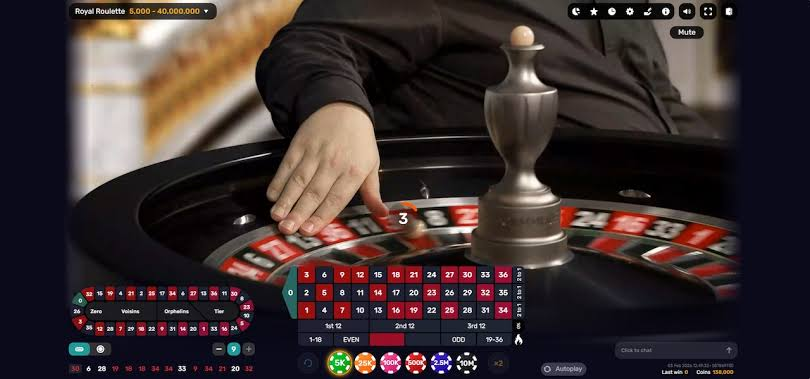
When and why was the double zero added to the American roulette wheel?
The double zero was added to the American roulette wheel in the mid-19th century. The exact year is not clear, but it is believed to have been added around the 1860s. The reason for its addition was to increase the house edge, making the game more profitable for the casino.
At the time, gambling was not regulated in the United States, and casinos were free to set their own rules and payouts. To increase profits, some casinos began adding an extra slot to the wheel, a double zero, in addition to the standard single zero. This increased the number of possible outcomes, making it more difficult for players to win, and giving the casino a higher edge.
royal sweeps
What is the origin of the name Roulette?
No Deposit Free Spins at WPT Global – Play Without Spending
Legal Online Casinos in the USA (2026 States List)
Sweeps Royal Casino Review: Safety Games Account Rules and Player Checklist
The Thrilling Race for WPT Season 22 Player of the Year at Wynn Las Vegas
7 Best Online Casinos That Pay Real Money in the USA (2026)
Martin Tsvetanov Wins Record-Breaking Eureka Main Event at EPT Prague
Safe Online Casinos USA Guide: Licensed and Regulated Casino Checks for Real Money Players
How to Qualify for WPT Live Events Online in 2025
Safest Online Casinos 2026: BetMGM FanDuel & More Revealed
sweeps royal
Most Trusted Online Casino: WPT Global
How to Download WSOP NV
How Online Casinos Are Regulated in the US
What is a Rake Chase?
Most Legit Online Casino in USA 2026: DraftKings Ranked #1
Best Online Casinos in the USA for 2026
Frank Stepuchin Leads 2024 WPT Seminole RRPO After Day 1
Play Online Poker on Android: The 2025 Guide
How to Qualify for WPT Live Events Online in 2025
Are Online Casinos Unregulated?
royal sweeps casino
Yes! Real Money Online Casinos in the USA (2026) – Get Paid Fast
WPT Global vs GGPoker: Which Poker Platform Should You Choose in 2025?
Licensed and Regulated Online Casinos FAQ: USA Safety Checks for Real Money Players
A Woman’s Guide to Selecting the Perfect Sex Toy
What role did roulette play in popular culture such as movies and literature?
What is a Rake Chase?
How Players Perceive Online Casino Safety in the USA
Online Casino Welcome Bonus No Deposit 2025
Can You Play Online Casinos in the USA?
Safest Online Casinos in 2026: Licensed & Secure Platforms
sweeps royal
How Players Perceive Online Casino Safety in the USA
Top Online Casino Apps of 2025
WPT Global vs GGPoker: Which Poker Platform Should You Choose in 2025?
Is Global Poker Legit?
How to Download Register and Master WPT Global: 2025 Ultimate Guide
WPT Global ¥110 CN¥ Million Sunday Hyper PKO Showdown
2025 WSOP Explosion! New Formats + Huge Prizes Poker Players Must Not Miss It!
When and where was the game of roulette first played?
Can You Have an Online Casino in the USA?
Payment Options at EVERYGAME Poker: Quick and Easy Transactions
FAQ
sweepsroyal
What is the future of the game of roulette?
Qualify for the WPT Global Main Event via Low Buy-In Satellites
WPT Global Tournament Schedule 2025
41 States Banned Online Gambling in 2026: Complete List
Online Casino Welcome Bonus No Deposit 2025
Can You Play Online Casinos in the USA?
How to win at slots Tricks to improve your odds
WPT Globals New Welcome Bonus: Up to $3580 in Rewards
States Where Online Casinos Are Legal in the US (2026)
USA Online Casinos That Pay Real Money: What to Know
royal sweeps
WPT Globals New Welcome Bonus: Up to $3580 in Rewards
Legal Online Casinos in the USA (2026 States List)
Who Regulates Online Gambling in the USA?
How to Win at Online Slots in 2025 with WPT Global
Play Online Poker on Android: The 2025 Guide
Yes! Real Money Online Casinos in the USA (2026) – Get Paid Fast
Brazilian Rising Star Shocks Everyone by Winning Million-Euro Prize in Monte Carlo Poker World Welcomes a Super Dark Horse!
Frank Stepuchin Leads 2024 WPT Seminole RRPO After Day 1
Highest Paying Online Casino in the USA 2026
Cory Zeidman Pleads Guilty to Sports Betting Fraud Scheme
sweepsroyal
WPT Global ¥110 CN¥ Million Sunday Hyper PKO Showdown
Best Online Casino in the USA
What Is the $20 Rule at the Casino? Quick Guide
Most Trusted Online Casino: WPT Global
11 best poker apps and games for Android
Who Regulates Online Casinos in the US? State Laws Explained
How has technology influenced the game of roulette?
Martin Tsvetanov Wins Record-Breaking Eureka Main Event at EPT Prague
Top Online Casino Apps of 2025
What were the original rules and betting options for roulette?
royal sweeps
Sweeps Royal Casino Review: Safety Games Account Rules and Player Checklist
How to Download WSOP NV
WPT Global Now Title Sponsor For Triton Poker Super High Roller Series
Safest Online Casinos in 2026: Licensed & Secure Platforms
Frank Stepuchin Leads 2024 WPT Seminole RRPO After Day 1
Highest Paying Online Casino in the USA 2026
WPT Global Million Sunday Hyper PKO Showdown: Event Details & Guide
New Rules for WSOP Paradise: Electronic Devices and Real-Time Assistance
Who Regulates Online Casinos in the US? State Laws Explained
What is the origin of the name Roulette?
What were the original rules and betting options for roulette?
sweepsroyal
WPT Global Now Title Sponsor For Triton Poker Super High Roller Series
What is the origin of the name Roulette?
Is Global Poker Real Money?
Highest Paying Online Casino in the USA 2026
USA Online Casinos That Pay Real Money: What to Know
Top Trusted Online Casino Revealed 2026
Most Legit Online Casino in USA 2026: DraftKings Ranked #1
How Players Judge Whether an Online Casino Is Safe in the USA
WPT Global Million Sunday Hyper PKO Showdown: Event Details & Guide
Licensed Online Casino US Guide: How to Compare Regulated Online Casinos Before Playing
sweepsroyal
Best Online Casinos in the USA for 2026
Paulius Plausinaitis Wins GGMillion$ SHR for $315054
Legit Online Casinos That Pay Real Money in 2026
2025 WSOP Explosion! New Formats + Huge Prizes Poker Players Must Not Miss It!
WPT Global Newest Promo: Ticket to Some Additional Play Money
Can I Play GGPoker in the US?
WPT Global Spring Festival: $7000000 Guaranteed Prize Pool
How to Download Register and Master WPT Global: 2025 Ultimate Guide
Qualify for the WPT Global Main Event via Low Buy-In Satellites
What is the future of the game of roulette?
What were the original rules and betting options for roulette? The original rules and betting options for roulette were relatively simple. The game featured a spinning wheel with numbered pockets, typically ranging from 1 to 36. The early versions of the game also featured a single zero pocket, which gave the house a slight edge. In some variations, there was also a double zero pocket, which further increased the house edge.
What is the future of the game of roulette?
sweepsroyal
Real Online Casino USA: Can You Win Real Money?
Which Countries Can Play WPTGlobal in 2024?
Why “Safe Online Casinos” in the USA Are Defined by Regulation Not Experience
WPT Global Now Title Sponsor For Triton Poker Super High Roller Series
Brazilian Rising Star Shocks Everyone by Winning Million-Euro Prize in Monte Carlo Poker World Welcomes a Super Dark Horse!
Highest Paying Online Casino in the USA 2026
WPT Global Cow Boy:A Players Perspective
WPT Global Bonus Terms: Cashing In Made Simple
Is Your Online Casino Legit? A Data-Driven Check for Safe Gambling
Who Has the Most WSOP Bracelets?
sweepsroyal
How to Download WSOP NV
Top Trusted Online Casino Revealed 2026
Sweeps Royal Casino Games Guide: Slots RTP Volatility and Bonus Features Explained
Are Online Casinos Unregulated?
Phil Ivey Hosts Festive Meet-Up Game at Wynn Las Vegas This December
Most Legit Online Casino in USA 2026: DraftKings Ranked #1
Which Countries Can Play WPTGlobal in 2024?
What is TP in WPT poker?
WPT Prime Championship Returns with Jereld Sam Shining
Can You Have an Online Casino in the USA?
What is the future of the game of roulette? One potential future for roulette is the integration of virtual and augmented reality technologies. This would allow players to immerse themselves in a virtual casino environment and enjoy a more realistic and engaging gaming experience.
Another potential future for roulette is the continued growth of online gaming. As more and more people turn to the internet for their gaming needs, online casinos are likely to become even more popular.
When and where was the game of roulette first played?
royal sweeps casino
Are Online Casinos Unregulated?
Highest Paying Online Casino in the USA 2026
Sweeps Royal Mobile Guide: Using Royal Sweeps Casino on Phones and Tablets
Bitstarz no deposit bonus up to 5 BTC and 200 free spins
WPT Global Now Title Sponsor For Triton Poker Super High Roller Series
How to Win at Online Blackjack: Strategies for 2025
Safest Online Casinos in 2026: Licensed & Secure Platforms
Who Regulates Online Gambling in the US? State Rules Explained
What are some famous roulette scandals and controversies throughout history?
Legit Online Casinos That Pay Real Money in 2026
sweeps royal
WPT Global: The Premier Choice for Poker Players
Most Legit Online Casino in USA 2026: DraftKings Ranked #1
WPT Global No Deposit Bonus 2025 – Try Real Online Poker Risk-Free
Who Regulates Online Gambling in the US? State Rules Explained
WSOP USA Top 8 FAQ
What Is the $20 Rule at the Casino? Quick Guide
Most Trusted Online Casino in USA 2026: Top Safe & Licensed Picks
Best Online Casinos in the USA for 2026
Shevliakov’s Comeback Wins Million-Euro Prize! How Did an Amateur Shock Everyone at the EPT Monte Carlo?
Frank Stepuchin Leads 2024 WPT Seminole RRPO After Day 1
When and where was the game of roulette first played? The game as we know it today first appeared in Paris in 1796, and quickly gained popularity throughout Europe, especially in the casinos of Monte Carlo. The addition of the zero by Francois and Louis Blanc in the mid-19th century helped to increase the house edge and make the game more profitable for casinos.
Who invented the game of roulette?
royal sweeps casino
New Rules for WSOP Paradise: Electronic Devices and Real-Time Assistance
How did the introduction of online casinos impact the game of roulette?
WSOP USA Top 8 FAQ
Is Online Poker Rigged?
Are Online Casinos Unregulated?
WPT Global Newest Promo: Ticket to Some Additional Play Money
11 best poker apps and games for Android
What is TP in WPT poker?
How to Download Register and Master WPT Global: 2025 Ultimate Guide
How to Download WSOP NV
sweepsroyal
What is the origin of the name Roulette?
Sweeps Royal Casino Guide: Platform Account Games and How It Works
Is Global Poker Real Money?
How Online Casinos Are Regulated in the US
WPT Global Cow Boy:A Players Perspective
2025 WSOP Explosion! New Formats + Huge Prizes Poker Players Must Not Miss It!
Brazilian Rising Star Shocks Everyone by Winning Million-Euro Prize in Monte Carlo Poker World Welcomes a Super Dark Horse!
How to Win at Online Blackjack: Strategies for 2025
US Online Gambling Guide
Payment Options at EVERYGAME Poker: Quick and Easy Transactions
Who invented the game of roulette? The exact origins of roulette are a subject of much debate and speculation among historians and gambling enthusiasts. While there is no clear consensus on the game’s inventor, several theories exist regarding its creation.
One of the most popular theories is that the game was invented by a French mathematician named Blaise Pascal in the 17th century. According to this theory, Pascal was attempting to develop a perpetual motion machine when he inadvertently created the roulette wheel.
What are some famous roulette scandals and controversies throughout history?
sweeps royal
What is the origin of the name Roulette?
Safe Online Casinos USA FAQ: Licensed Regulated Legal and Real Money Casino Questions
Qualify for Red Dragon Poker Tour Jeju 2025 via WPT Global Satellites
What role did roulette play in popular culture such as movies and literature?
Safest Online Casinos 2026: BetMGM FanDuel & More Revealed
Why “Safe Online Casinos” in the USA Are Defined by Regulation Not Experience
WPT Global No Deposit Bonus 2025 – Try Real Online Poker Risk-Free
2025 WSOP Explosion! New Formats + Huge Prizes Poker Players Must Not Miss It!
Brazilian Rising Star Shocks Everyone by Winning Million-Euro Prize in Monte Carlo Poker World Welcomes a Super Dark Horse!
Can I Play GGPoker in the US?
sweeps royal casino
What role did roulette play in popular culture such as movies and literature?
2025 WSOP Explosion! New Formats + Huge Prizes Poker Players Must Not Miss It!
Martin Tsvetanov Wins Record-Breaking Eureka Main Event at EPT Prague
When and where was the game of roulette first played?
Timothy Chung: From Birthday Party to WPT Prime UK Champion
Licensed and Regulated Online Casinos FAQ: USA Safety Checks for Real Money Players
Yes! Real Money Online Casinos in the USA (2026) – Get Paid Fast
What is TP in WPT poker?
What is the origin of the name Roulette?
Why “Safe Online Casinos” in the USA Are Defined by Regulation Not Experience
What are some famous roulette scandals and controversies throughout history? 1. The Eudaemons – In the 1970s, a group of physics students at the University of California Santa Cruz used a computer to predict the outcomes of roulette games in Nevada casinos. They called themselves “The Eudaemons” and made significant profits before their operation was shut down.
2. The Ritz-Carlton Scandal – In 2004, a team of Eastern European gamblers used a laser scanner and a computer to predict where the ball would land on the roulette wheel at the Ritz-Carlton casino in London.
Top 10 US Gambling Websites Available in 2026: Legal Online Betting Sites
sweeps royal
Best US Real Money Online Casinos 2026: BetMGM Leads Payouts
Why “Safe Online Casinos” in the USA Are Defined by Regulation Not Experience
Bitstarz no deposit bonus up to 5 BTC and 200 free spins
Is Your Online Casino Legit? A Data-Driven Check for Safe Gambling
What role did roulette play in popular culture such as movies and literature?
How to Win at Online Blackjack: Strategies for 2025
Golden Bounty Championship: Your Weekly Shot at $100K on WPT Global
41 States Banned Online Gambling in 2026: Complete List
2025 WSOP Explosion! New Formats + Huge Prizes Poker Players Must Not Miss It!
What Is the $20 Rule at the Casino? Quick Guide
royal sweeps casino
Least Risky Gambling Game: Best Odds Explained
How Players Perceive Online Casino Safety in the USA
Most Legit Online Casino in USA 2026: DraftKings Ranked #1
Use WPT777 Bonus Code to Claim Your Special Offer at WPT Global
Top Online Poker Tournaments to Watch and Play in 2025
Play Online Poker on Android: The 2025 Guide
Is Global Poker Legit?
Cory Zeidman Pleads Guilty to Sports Betting Fraud Scheme
Qualify for Red Dragon Poker Tour Jeju 2025 via WPT Global Satellites
WPT World Championship 2024 Kicks Off at Wynn Las Vegas: What to Expect
What Gambling Websites Are Available in the US?
Online gambling in the United States is now legal in many states, with over 20 states allowing sports betting and 7 states offering full online casinos. The top licensed gambling websites include FanDuel, DraftKings, BetMGM, Caesars, and PokerStars, each serving different states with different game types. FanDuel operates in 20+ states for sports betting, DraftKings covers 25+ states for sports betting and daily fantasy sports, and BetMGM serves 15+ states with both sports betting and real-money casino games.
How Online Casinos Are Regulated in the US
royal sweeps
Licensed and Regulated Online Casinos FAQ: USA Safety Checks for Real Money Players
WPT Globals New Welcome Bonus: Up to $3580 in Rewards
The Thrilling Race for WPT Season 22 Player of the Year at Wynn Las Vegas
How to win at slots Tricks to improve your odds
No Deposit Free Spins at WPT Global – Play Without Spending
WPT Prime Championship Returns with Jereld Sam Shining
Best Online Casino in the USA
Bitstarz no deposit bonus up to 5 BTC and 200 free spins
When and why was the double zero added to the American roulette wheel?
How has technology influenced the game of roulette?
sweepsroyal
Are Online Casinos Unregulated?
WPT Global Spring Festival: $7000000 Guaranteed Prize Pool
US Online Gambling Guide
Best Online Casinos in the USA for 2026
Frank Stepuchin Leads 2024 WPT Seminole RRPO After Day 1
WPT Global Newest Promo: Ticket to Some Additional Play Money
Most Trusted Online Casino: WPT Global
WPT Global ¥110 CN¥ Million Sunday Hyper PKO Showdown
Phil Ivey Hosts Festive Meet-Up Game at Wynn Las Vegas This December
Timothy Chung: From Birthday Party to WPT Prime UK Champion
Online casinos in the United States are legal and regulated—but only in certain states and under specific rules. Federal law does not create a single nationwide online casino system; instead, it sets broad limits while leaving most authority to individual states. For example, the Unlawful Internet Gambling Enforcement Act (UIGEA) targets payment processing for illegal online gambling, and the Federal Wire Act has been interpreted to mainly cover sports betting across state lines, not other online casino games.
Who Regulates Online Casinos in the US? State Laws Explained
sweeps royal
Is Global Poker Real Money?
WPT Global Newest Promo: Ticket to Some Additional Play Money
What is a Rake Chase?
Qualify for the WPT Global Main Event via Low Buy-In Satellites
Who Has the Most WSOP Bracelets?
How Players Judge Whether an Online Casino Is Safe in the USA
Doug Polk Faces Backlash Over Playing in His Own Tournaments at The Lodge
How to Download Register and Master WPT Global: 2025 Ultimate Guide
Qualify for Red Dragon Poker Tour Jeju 2025 via WPT Global Satellites
How Online Casinos Are Regulated in the US
royal sweeps
Use WPT Global Passport Dollars to Enter Triton High-Stakes Events
How Players Perceive Online Casino Safety in the USA
Are Online Casinos Unregulated?
WPT Global No Deposit Bonus 2025 – Try Real Online Poker Risk-Free
Most Trusted Online Casino 2026: BetMGM Tops Expert Rankings
WPT Global vs GGPoker: Which Poker Platform Should You Choose in 2025?
How to Download WSOP NV
Least Risky Gambling Game: Best Odds Explained
Top Online Poker Tournaments to Watch and Play in 2025
Can You Have an Online Casino in the USA?
Online casinos in the United States are primarily regulated at the state level rather than by the federal government. This means that each state that allows online casino gambling creates its own rules, licenses operators, and monitors compliance. As of June 2026, only eight states have legalized real-money online casinos: Connecticut, Delaware, Michigan, New Jersey, Pennsylvania, Rhode Island, West Virginia, and Nevada (which allows online poker only). In states like California and Texas, online casino gambling remains completely illegal, so players there cannot access licensed online casinos legally.
Can You Play Real-Money Online Casino Games in the USA? (2026 Update)
royal sweeps
2025 WSOP Explosion! New Formats + Huge Prizes Poker Players Must Not Miss It!
Licensed Online Casino US Guide: How to Compare Regulated Online Casinos Before Playing
How Players Perceive Online Casino Safety in the USA
How did the introduction of online casinos impact the game of roulette?
Timothy Chung: From Birthday Party to WPT Prime UK Champion
Best US Real Money Online Casinos 2026: BetMGM Leads Payouts
Qualify for the WPT Global Main Event via Low Buy-In Satellites
What Is the $20 Rule at the Casino? Quick Guide
Least Risky Gambling Game: Best Odds Explained
A Woman’s Guide to Selecting the Perfect Sex Toy
royal sweeps casino
Brazilian Rising Star Shocks Everyone by Winning Million-Euro Prize in Monte Carlo Poker World Welcomes a Super Dark Horse!
How to Download WSOP NV
WPT Global Newest Promo: Ticket to Some Additional Play Money
11 best poker apps and games for Android
What is the origin of the name Roulette?
The Thrilling Race for WPT Season 22 Player of the Year at Wynn Las Vegas
WPT Global ¥110 CN¥ Million Sunday Hyper PKO Showdown
Instant Cash Out Casinos 2026: Top Sites That Pay You in Under 60 Seconds
How to win at slots Tricks to improve your odds
What role did roulette play in popular culture such as movies and literature?
Yes, you can play casino games online for real money in the USA, but only if you live in or are visiting one of the eight states that have legalized it: Connecticut, Delaware, Michigan, New Jersey, Pennsylvania, Rhode Island, Maine, and West Virginia. As of June 2026, exactly eight states allow real-money online casinos, and players in these states can enjoy slots, video poker, blackjack, roulette, and live dealer games from licensed apps like DraftKings, FanDuel, BetMGM, and Golden Nugget Online Casino.
royal sweeps casino
Most Trusted Online Casino 2026: BetMGM Tops Expert Rankings
Why “Safe Online Casinos” in the USA Are Defined by Regulation Not Experience
How to Qualify for WPT Live Events Online in 2025
Most Trusted Online Casino in USA 2026: Top Safe & Licensed Picks
Safest Online Casinos 2026: BetMGM FanDuel & More Revealed
WSOP USA Top 8 FAQ
Sweeps Royal Casino Games Guide: Slots RTP Volatility and Bonus Features Explained
How to Win at Online Blackjack: Strategies for 2025
Instant Cash Out Casinos 2026: Top Sites That Pay You in Under 60 Seconds
Top Online Poker Tournaments to Watch and Play in 2025
royal sweeps casino
Instant Cash Out Casinos 2026: Top Sites That Pay You in Under 60 Seconds
Licensed Online Casino US Guide: How to Compare Regulated Online Casinos Before Playing
WPT Global Tournament Schedule 2025
How did the introduction of online casinos impact the game of roulette?
WPT World Championship 2024 Kicks Off at Wynn Las Vegas: What to Expect
Martin Tsvetanov Wins Record-Breaking Eureka Main Event at EPT Prague
Most Legit Online Casino in USA 2026: DraftKings Ranked #1
WPT Global: The Premier Choice for Poker Players
How Players Perceive Online Casino Safety in the USA
41 States Banned Online Gambling in 2026: Complete List
sweepsroyal
Safe Online Casinos USA FAQ: Licensed Regulated Legal and Real Money Casino Questions
When and why was the double zero added to the American roulette wheel?
Safest Online Casinos 2026: BetMGM FanDuel & More Revealed
Yes! Real Money Online Casinos in the USA (2026) – Get Paid Fast
Where Are Online Casinos Legal? 8 U.S. States You Need to Know in 2026
WPT Global Casino: A Fun-Filled Adventure
Top Trusted Online Casino Revealed 2026
41 States Banned Online Gambling in 2026: Complete List
Will Online Gambling Become Legal in the US? A Clear Roadmap
Best Online Casino in the USA
royal sweeps casino
Phil Ivey Hosts Festive Meet-Up Game at Wynn Las Vegas This December
Top 10 US Gambling Websites Available in 2026: Legal Online Betting Sites
Qualify for the WPT Global Main Event via Low Buy-In Satellites
Timothy Chung: From Birthday Party to WPT Prime UK Champion
Who Has the Most WSOP Bracelets?
Safe Online Casinos USA Guide: Licensed and Regulated Casino Checks for Real Money Players
WPT Global Withdrawal Guide: Cashing Out Made Simple
Play Online Poker on Android: The 2025 Guide
WPT Prime Championship Returns with Jereld Sam Shining
Are Online Casinos Unregulated?
Sweeps Royal Casino – Games, Account & Player Guide
Find out whether online casinos pay real money in the USA why legality depends on your state and what to review before depositing or withdrawing winnings.
A practical Sweeps Royal Casino review explaining how to evaluate account rules platform safety games balances promotions verification mobile access and customer support before playing.
A complete walkthrough for downloading registering and dominating on WPT Global Poker platform including 2025 updates on features payments and strategy tools.
Discover who holds the most WSOP bracelets including poker legends like Phil Hellmuth and explore the careers of the biggest names in the game. Learn about their accomplishments and find out who could challenge Hellmuths incredible record.
An accessible overview of the current landscape for online gambling in the United States including why there is no nationwide rule how states are expanding regulated options and what players and operators should watch for as regulations evolve.
Discover the top online casinos with instant cash out in 2026. BetRivers Casino pays in under 60 seconds via Play+ while Hollywood Caesars and crypto sites deliver payouts in minutes.
Safe and Regulated Online Casinos in the USA Explained
Sweeps Royal Casino – Games, Account & Player Guide
Sweeps Royal Casino – Games, Account & Player Guide
sweeps royal casino
Can You Have an Online Casino in the USA?
Safe Licensed and Regulated Online Casinos Explained in the USA
WPT Global’s Sunday Hyper PKO Showdown: Low Buy-In High Excitement
When and where was the game of roulette first played?
WPT Global Million Sunday Hyper PKO Showdown: Event Details & Guide
Best Online Casinos in the USA for 2026
Legit Online Casinos That Pay Real Money in 2026
A Woman’s Guide to Selecting the Perfect Sex Toy
Why Online Casino Safety in the USA Is About System Stability
WPT Global Cow Boy:A Players Perspective
sweepsroyal
WPT Prime Championship Returns with Jereld Sam Shining
Licensed and Regulated Online Casinos FAQ: USA Safety Checks for Real Money Players
WPT Global Now Title Sponsor For Triton Poker Super High Roller Series
Who Regulates Online Gambling in the US? State Rules Explained
Who Regulates Online Casinos in the US? State-by-State Guide 2026
Safe Online Casinos USA FAQ: Licensed Regulated Legal and Real Money Casino Questions
Who Regulates Online Gambling in the USA?
How to Download Register and Master WPT Global: 2025 Ultimate Guide
How to Qualify for WPT Live Events Online in 2025
Top Online Casino Apps of 2025
sweeps royal casino
Safest Online Casinos 2026: BetMGM FanDuel & More Revealed
Phil Ivey Hosts Festive Meet-Up Game at Wynn Las Vegas This December
Safe Licensed and Regulated Online Casinos Explained in the USA
New Rules for WSOP Paradise: Electronic Devices and Real-Time Assistance
How to win at slots Tricks to improve your odds
Why “Safe Online Casinos” in the USA Are Defined by Regulation Not Experience
Is Online Poker Rigged?
Safe Online Casinos USA FAQ: Licensed Regulated Legal and Real Money Casino Questions
WPT World Championship 2024 Kicks Off at Wynn Las Vegas: What to Expect
Who Regulates Online Casinos in the US? State Laws Explained
sweeps royal
WPT Global No Deposit Bonus 2025 – Try Real Online Poker Risk-Free
The Thrilling Race for WPT Season 22 Player of the Year at Wynn Las Vegas
What is Hyper Dash in WPT Global?Dive into Quick Thrilling Poker Action!
Top No Deposit Bonus Casinos in 2025: Play and Win Without Spending a Dime
WPT Global’s Sunday Hyper PKO Showdown: Low Buy-In High Excitement
Best US Real Money Online Casinos 2026: BetMGM Leads Payouts
Sweeps Royal Casino Guide: Platform Account Games and How It Works
Martin Tsvetanov Wins Record-Breaking Eureka Main Event at EPT Prague
What is the origin of the name Roulette?
WPT World Championship 2024 Kicks Off at Wynn Las Vegas: What to Expect
Sweeps Royal Casino – Games, Account & Player Guide
Play Now sweepsroyal
Sweeps Royal Casino – Games, Account & Player Guide
royal sweeps
WPT Global Casino: A Fun-Filled Adventure
Qualify for Red Dragon Poker Tour Jeju 2025 via WPT Global Satellites
How Players Judge Whether an Online Casino Is Safe in the USA
Where Can You Play WPT Global? Supported Countries & Platform Highlights
What Is the $20 Rule at the Casino? Quick Guide
What is the origin of the name Roulette?
WPT Global Newest Promo: Ticket to Some Additional Play Money
Highest Paying Online Casino in the USA 2026
How to win at slots Tricks to improve your odds
Timothy Chung: From Birthday Party to WPT Prime UK Champion
royal sweeps
New Rules for WSOP Paradise: Electronic Devices and Real-Time Assistance
US Online Gambling Guide
Where Can You Play WPT Global? Supported Countries & Platform Highlights
Top No Deposit Bonus Casinos in 2025: Play and Win Without Spending a Dime
WPT Global Million Sunday Hyper PKO Showdown: Event Details & Guide
WPT Global Now Title Sponsor For Triton Poker Super High Roller Series
Cory Zeidman Pleads Guilty to Sports Betting Fraud Scheme
How to win at slots Tricks to improve your odds
Safest Online Casinos 2026: BetMGM FanDuel & More Revealed
How to Start Playing Online Poker in 2025: A Beginner’s Guide
Sweeps Royal Casino – Games, Account & Player Guide
royal sweeps
What were the original rules and betting options for roulette?
How Online Casinos Are Regulated in the US
Who Regulates Online Gambling in the USA?
Can You Play Online Casinos in the USA?
New Rules for WSOP Paradise: Electronic Devices and Real-Time Assistance
USA Online Casinos That Pay Real Money: What to Know
Cory Zeidman Pleads Guilty to Sports Betting Fraud Scheme
Can You Play Real-Money Online Casino Games in the USA? (2026 Update)
When and why was the double zero added to the American roulette wheel?
A Woman’s Guide to Selecting the Perfect Sex Toy
sweepsroyal
Sweeps Royal Casino Guide: Platform Account Games and How It Works
New Rules for WSOP Paradise: Electronic Devices and Real-Time Assistance
What Is the $20 Rule at the Casino? Quick Guide
Phil Ivey Hosts Festive Meet-Up Game at Wynn Las Vegas This December
Top Online Casino Apps of 2025
Will Online Gambling Be Legal in the US?
WSOP USA Top 8 FAQ
WPT Global ¥110 CN¥ Million Sunday Hyper PKO Showdown
WPT Prime Championship Returns with Jereld Sam Shining
The original rules and betting options for roulette were relatively simple. The game featured a spinning wheel with numbered pockets typically ranging from 1 to 36. The early versions of the game also featured a single zero pocket which gave the house a slight edge. In some variations there was also a double zero pocket which further increased the house edge.
the continued expansion of cryptocurrency and blockchain technology could also have a significant impact on the future of roulette. As more players look for ways to make secure and anonymous transactions it is possible that we will see more online casinos accepting cryptocurrencies like Bitcoin as a form of payment.
The game as we know it today first appeared in Paris in 1796 and quickly gained popularity throughout Europe especially in the casinos of Monte Carlo. The addition of the zero by Francois and Louis Blanc in the mid-19th century helped to increase the house edge and make the game more profitable for casinos.
One of the most popular theories is that the game was invented by a French mathematician named Blaise Pascal in the 17th century. According to this theory Pascal was attempting to develop a perpetual motion machine when he inadvertently created the roulette wheel. While this story is widely circulated there is little concrete evidence to support it.
When and why was the double zero added to the American roulette wheel? Sweeps Royal Casino – Games, Account & Player Guide
sweeps royal casino
Is Your Online Casino Legit? A Data-Driven Check for Safe Gambling
WPT World Championship 2024 Kicks Off at Wynn Las Vegas: What to Expect
When and why was the double zero added to the American roulette wheel?
Who Has the Most WSOP Bracelets?
41 States Banned Online Gambling in 2026: Complete List
Legal Online Casinos in the USA (2026 States List)
WPT Global Withdrawal Guide: Cashing Out Made Simple
WPT Global vs GGPoker: Which Poker Platform Should You Choose in 2025?
Top 10 US Gambling Websites Available in 2026: Legal Online Betting Sites
Sweeps Royal Casino Games Guide: Slots RTP Volatility and Bonus Features Explained
sweepsroyal
What Is the $20 Rule at the Casino? Quick Guide
WPT Global ¥110 CN¥ Million Sunday Hyper PKO Showdown
What role did roulette play in popular culture such as movies and literature?
Is Global Poker Legit?
Sweeps Royal Casino Games Guide: Slots RTP Volatility and Bonus Features Explained
Yes! Real Money Online Casinos in the USA (2026) – Get Paid Fast
Eligible Countries for EVERYGAME Poker: Join the Action with bonus code
Bitstarz no deposit bonus up to 5 BTC and 200 free spins
What were the original rules and betting options for roulette? The original rules and betting options for roulette were relatively simple. The game featured a spinning wheel with numbered pockets, typically ranging from 1 to 36. The early versions of the game also featured a single zero pocket, which gave the house a slight edge. In some variations, there was also a double zero pocket, which further increased the house edge.
What is the future of the game of roulette? One potential future for roulette is the integration of virtual and augmented reality technologies. This would allow players to immerse themselves in a virtual casino environment and enjoy a more realistic and engaging gaming experience.
Another potential future for roulette is the continued growth of online gaming. As more and more people turn to the internet for their gaming needs, online casinos are likely to become even more popular.
When and where was the game of roulette first played? The game as we know it today first appeared in Paris in 1796, and quickly gained popularity throughout Europe, especially in the casinos of Monte Carlo. The addition of the zero by Francois and Louis Blanc in the mid-19th century helped to increase the house edge and make the game more profitable for casinos.
Who invented the game of roulette? The exact origins of roulette are a subject of much debate and speculation among historians and gambling enthusiasts. While there is no clear consensus on the game’s inventor, several theories exist regarding its creation.
One of the most popular theories is that the game was invented by a French mathematician named Blaise Pascal in the 17th century. According to this theory, Pascal was attempting to develop a perpetual motion machine when he inadvertently created the roulette wheel.