When and where was the game of roulette first played?
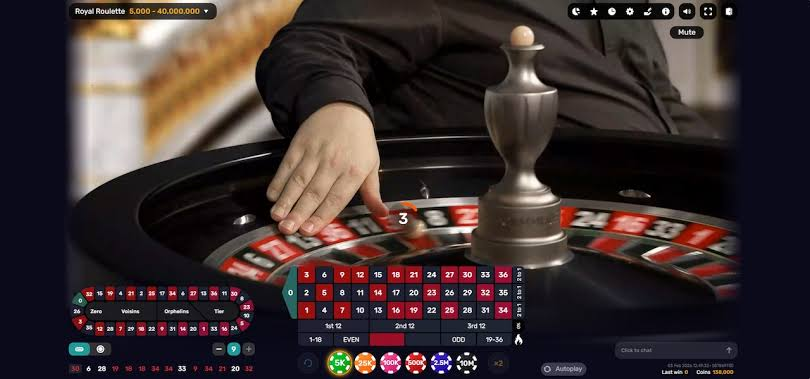
The game as we know it today first appeared in Paris in 1796, and quickly gained popularity throughout Europe, especially in the casinos of Monte Carlo. The addition of the zero by Francois and Louis Blanc in the mid-19th century helped to increase the house edge and make the game more profitable for casinos.
sweeps royal casino
Is Online Poker Rigged?
Instant Cash Out Casinos 2026: Top Sites That Pay You in Under 60 Seconds
Safe Online Casinos USA FAQ: Licensed Regulated Legal and Real Money Casino Questions
Will Online Gambling Become Legal in the US? A Clear Roadmap
Highest Paying Online Casino in the USA 2026
Timothy Chung: From Birthday Party to WPT Prime UK Champion
WSOP USA Top 8 FAQ
Where Can You Play WPT Global? Supported Countries & Platform Highlights
Top 5 Online Casinos of 2025: Where to Play and Win Big
How has technology influenced the game of roulette?
sweeps royal casino
Sweeps Royal Account Guide: Login Password Recovery and Common Access Problems
Legit Online Casinos That Pay Real Money in 2026
Licensed and Regulated Online Casinos FAQ: USA Safety Checks for Real Money Players
What is a Rake Chase?
Can You Play Online Casinos in the USA?
Qualify for Red Dragon Poker Tour Jeju 2025 via WPT Global Satellites
How to Download Register and Master WPT Global: 2025 Ultimate Guide
States Where Online Casinos Are Legal in the US (2026)
WPT Global Newest Promo: Ticket to Some Additional Play Money
Yes! Real Money Online Casinos in the USA (2026) – Get Paid Fast
sweeps royal casino
Use WPT Global Passport Dollars to Enter Triton High-Stakes Events
Doug Polk Faces Backlash Over Playing in His Own Tournaments at The Lodge
When and where was the game of roulette first played?
WPT Global Spring Festival: $7000000 Guaranteed Prize Pool
Sweeps Royal Account Guide: Login Password Recovery and Common Access Problems
Legal Online Casinos in the US for Real Money
WPT Global ¥110 CN¥ Million Sunday Hyper PKO Showdown
Top Online Casino Apps of 2025
What are some famous roulette scandals and controversies throughout history?
Legal Online Casinos in the USA (2026 States List)
sweeps royal
US Online Gambling Guide
One Shot – Freezeout Tournament by WPT Global
Sweeps Royal Casino Games Guide: Slots RTP Volatility and Bonus Features Explained
WPT Globals New Welcome Bonus: Up to $3580 in Rewards
Who Regulates Online Gambling in the US? State Rules Explained
What are some famous roulette scandals and controversies throughout history?
Qualify for Red Dragon Poker Tour Jeju 2025 via WPT Global Satellites
Will Online Gambling Become Legal in the US? A Clear Roadmap
Can You Play Online Casinos in the USA?
Most Trusted Online Casino in USA 2026: Top Safe & Licensed Picks
FAQ
Who invented the game of roulette?
Who invented the game of roulette? The exact origins of roulette are a subject of much debate and speculation among historians and gambling enthusiasts. While there is no clear consensus on the game’s inventor, several theories exist regarding its creation.
One of the most popular theories is that the game was invented by a French mathematician named Blaise Pascal in the 17th century. According to this theory, Pascal was attempting to develop a perpetual motion machine when he inadvertently created the roulette wheel.
What are some famous roulette scandals and controversies throughout history?
What are some famous roulette scandals and controversies throughout history? 1. The Eudaemons – In the 1970s, a group of physics students at the University of California Santa Cruz used a computer to predict the outcomes of roulette games in Nevada casinos. They called themselves “The Eudaemons” and made significant profits before their operation was shut down.
2. The Ritz-Carlton Scandal – In 2004, a team of Eastern European gamblers used a laser scanner and a computer to predict where the ball would land on the roulette wheel at the Ritz-Carlton casino in London.
What Is the $20 Rule at the Casino? Quick Guide
What is the $20 rule at the casino?
The $20 rule is a bankroll-management tactic that keeps play disciplined by starting a session with a fixed $20 (or another small amount), then only risking one $20 unit per betting round or hand. If that $20 unit is lost, you stop playing and take a break; profits and new sessions are handled separately rather than chasing losses.
How it works in practice:
Who Regulates Online Gambling in the USA?
Online gambling in the USA is regulated by a mix of federal, state, and tribal authorities, not by one single national office. In simple terms, federal law sets the broad rules, and each state decides whether online gambling is allowed and how it should be licensed and monitored. For example, New Jersey, Michigan, and Pennsylvania each run their own legal online gambling systems through state gaming regulators.
At the federal level, laws such as the Wire Act and the Unlawful Internet Gambling Enforcement Act shape how online gambling operates.
Who invented the game of roulette?
Who invented the game of roulette? The exact origins of roulette are a subject of much debate and speculation among historians and gambling enthusiasts. While there is no clear consensus on the game’s inventor, several theories exist regarding its creation.
One of the most popular theories is that the game was invented by a French mathematician named Blaise Pascal in the 17th century. According to this theory, Pascal was attempting to develop a perpetual motion machine when he inadvertently created the roulette wheel.
What is TP in WPT poker?
What is TP in WPT poker? Tournament Points (TPs) are used to buy into VIP tournaments on ClubWPT. All players start with a fixed amount of TPs (500) upon opening a VIP account. They cannot be reloaded, but will be automatically “topped up” once per day.
royal sweeps casino
Martin Tsvetanov Wins Record-Breaking Eureka Main Event at EPT Prague
One Shot – Freezeout Tournament by WPT Global
Qualify for the WPT Global Main Event via Low Buy-In Satellites
WPT Global Million Sunday Hyper PKO Showdown: Event Details & Guide
2025 WSOP Explosion! New Formats + Huge Prizes Poker Players Must Not Miss It!
How did the introduction of online casinos impact the game of roulette?
How to Start Playing Online Poker in 2025: A Beginner’s Guide
Who Has the Most WSOP Bracelets?
Where Can You Play WPT Global? Supported Countries & Platform Highlights
Most Trusted Online Casino 2026: BetMGM Tops Expert Rankings
royal sweeps casino
Are Online Casinos Unregulated?
States Where Online Casinos Are Legal in the US (2026)
Best Real-Money Online Casino in the US: BetMGM
Will Online Gambling Be Legal in the US?
Bitstarz no deposit bonus up to 5 BTC and 200 free spins
What Is the Safest Online Casino?
No Deposit Free Spins at WPT Global – Play Without Spending
Who Regulates Online Casinos in the US? State-by-State Guide 2026
Online Casino Welcome Bonus No Deposit 2025
How to Win at Online Blackjack: Strategies for 2025
Sweeps Royal Casino – Games, Account & Player Guide
Explore which countries support WPT Global and learn about its poker and casino games. Discover why its a leading name in online gaming with a 20-year legacy.
The Eudaemons – In the 1970s a group of physics students at the University of California Santa Cruz used a computer to predict the outcomes of roulette games in Nevada casinos. They called themselves “The Eudaemons” and made significant profits before their operation was shut down.
This article details WPT Global’s latest deposit match bonus promotion explaining how new players can claim extra tournament tickets and Global Spins based on their deposit amount along with bonus conditions like wagering requirements time limits and regional variations.
A detailed Sweeps Royal Casino guide covering account basics game information platform balances mobile access security promotions and the important rules users should understand before playing.
The 2024 WPT World Championship Festival is underway at Wynn Las Vegas promising massive poker tournaments including the $1100 Prime Championship and the $10400 WPT World Championship.
Safe and Regulated Online Casinos in the USA Explained
Sweeps Royal Casino – Games, Account & Player Guide
Sweeps Royal Casino – Games, Account & Player Guide
sweepsroyal
7 Best Online Casinos That Pay Real Money in the USA (2026)
11 best poker apps and games for Android
A Woman’s Guide to Selecting the Perfect Sex Toy
Best US Real Money Online Casinos 2026: BetMGM Leads Payouts
WPT Global Now Title Sponsor For Triton Poker Super High Roller Series
Which Online Casinos Are Legal in the US?
Most Trusted Online Casino in USA 2026: Top Safe & Licensed Picks
How to Win at Online Blackjack: Strategies for 2025
No Deposit Free Spins at WPT Global – Play Without Spending
The Daily Prime Tournaments from WPT Global
royal sweeps
Who Regulates Online Casinos in the US? State-by-State Guide 2026
Bitstarz no deposit bonus up to 5 BTC and 200 free spins
Most Trusted Online Casino: WPT Global
How to Qualify for WPT Live Events Online in 2025
Safe Online Casinos USA Guide: Licensed and Regulated Casino Checks for Real Money Players
Doug Polk Faces Backlash Over Playing in His Own Tournaments at The Lodge
WPT Global: The Premier Choice for Poker Players
What were the original rules and betting options for roulette?
Qualify for the WPT Global Main Event via Low Buy-In Satellites
Top Online Casino Apps of 2025
sweeps royal
Martin Tsvetanov Wins Record-Breaking Eureka Main Event at EPT Prague
Which Online Casinos Are Legal in the US?
Top 5 Online Casinos of 2025: Where to Play and Win Big
What is the origin of the name Roulette?
Phil Ivey Hosts Festive Meet-Up Game at Wynn Las Vegas This December
Timothy Chung: From Birthday Party to WPT Prime UK Champion
Brazilian Rising Star Shocks Everyone by Winning Million-Euro Prize in Monte Carlo Poker World Welcomes a Super Dark Horse!
WPT World Championship 2024 Kicks Off at Wynn Las Vegas: What to Expect
How did the introduction of online casinos impact the game of roulette?
Most Legit Online Casino in USA 2026: DraftKings Ranked #1
royal sweeps casino
US Online Gambling Guide
Is Global Poker Real Money?
How to Start Playing Online Poker in 2025: A Beginner’s Guide
Best Online Casino in the USA
WPT Global ¥110 CN¥ Million Sunday Hyper PKO Showdown
Do Online Casinos Pay Real Money in the USA?
Eligible Countries for EVERYGAME Poker: Join the Action with bonus code
Licensed and Regulated Online Casinos FAQ: USA Safety Checks for Real Money Players
Top Trusted Online Casino Revealed 2026
Top No Deposit Bonus Casinos in 2025: Play and Win Without Spending a Dime
Sweeps Royal Casino – Games, Account & Player Guide
Play Now royal sweeps
Sweeps Royal Casino – Games, Account & Player Guide
royal sweeps casino
Frank Stepuchin Leads 2024 WPT Seminole RRPO After Day 1
What is the future of the game of roulette?
Most Legit Online Casino in USA 2026: DraftKings Ranked #1
Why “Safe Online Casinos” in the USA Are Defined by Regulation Not Experience
WPT Global Cow Boy:A Players Perspective
Sweeps Royal Account Guide: Login Password Recovery and Common Access Problems
USA Online Casinos That Pay Real Money: What to Know
WPT Global Million Sunday Hyper PKO Showdown: Event Details & Guide
Can You Play Real-Money Online Casino Games in the USA? (2026 Update)
Which Countries Can Play WPTGlobal in 2024?
royal sweeps
How to Start Playing Online Poker in 2025: A Beginner’s Guide
How to Win at Online Blackjack: Strategies for 2025
Safest Online Casinos 2026: BetMGM FanDuel & More Revealed
Top Online Casino Apps of 2025
Shevliakov’s Comeback Wins Million-Euro Prize! How Did an Amateur Shock Everyone at the EPT Monte Carlo?
Use WPT777 Bonus Code to Claim Your Special Offer at WPT Global
Will Online Gambling Become Legal in the US? A Clear Roadmap
When and where was the game of roulette first played?
Why Online Casino Safety in the USA Is About System Stability
WPT World Championship 2024 Kicks Off at Wynn Las Vegas: What to Expect
Sweeps Royal Casino – Games, Account & Player Guide
royal sweeps casino
One Shot – Freezeout Tournament by WPT Global
How did the introduction of online casinos impact the game of roulette?
WPT Global Withdrawal Guide: Cashing Out Made Simple
What is Hyper Dash in WPT Global?Dive into Quick Thrilling Poker Action!
Use WPT777 Bonus Code to Claim Your Special Offer at WPT Global
Is Your Online Casino Legit? A Data-Driven Check for Safe Gambling
Paulius Plausinaitis Wins GGMillion$ SHR for $315054
WPT Global Casino: A Fun-Filled Adventure
Play Online Poker on Android: The 2025 Guide
Phil Ivey Hosts Festive Meet-Up Game at Wynn Las Vegas This December
royal sweeps casino
Frank Stepuchin Leads 2024 WPT Seminole RRPO After Day 1
Most Trusted Online Casino in the US: Top Safe Picks
Play Online Poker on Android: The 2025 Guide
Least Risky Gambling Game: Best Odds Explained
Why Online Casino Safety in the USA Is About System Stability
Top Online Poker Tournaments to Watch and Play in 2025
What is the origin of the name Roulette?
Why “Safe Online Casinos” in the USA Are Defined by Regulation Not Experience
How Online Casinos Are Regulated in the US
What is Hyper Dash in WPT Global?Dive into Quick Thrilling Poker Action!
One of the most popular theories is that the game was invented by a French mathematician named Blaise Pascal in the 17th century. According to this theory Pascal was attempting to develop a perpetual motion machine when he inadvertently created the roulette wheel. While this story is widely circulated there is little concrete evidence to support it.
When and where was the game of roulette first played? Sweeps Royal Casino – Games, Account & Player Guide
royal sweeps casino
US Online Gambling Guide
WPT Global Casino: A Fun-Filled Adventure
WPT Global No Deposit Bonus 2025 – Try Real Online Poker Risk-Free
How to Win at Online Blackjack: Strategies for 2025
USA Online Casinos That Pay Real Money: What to Know
WPT Global Bonus Terms: Cashing In Made Simple
Why “Safe Online Casinos” in the USA Are Defined by Regulation Not Experience
The Thrilling Race for WPT Season 22 Player of the Year at Wynn Las Vegas
WPT Global Withdrawal Guide: Cashing Out Made Simple
Use WPT777 Bonus Code to Claim Your Special Offer at WPT Global
royal sweeps casino
Best Real-Money Online Casino in the US: BetMGM
WPT Global Million Sunday Hyper PKO Showdown: Event Details & Guide
Everygame Poker Review: Your Guide to Online Poker
Instant Cash Out Casinos 2026: Top Sites That Pay You in Under 60 Seconds
Sweeps Royal Account Guide: Login Password Recovery and Common Access Problems
Martin Tsvetanov Wins Record-Breaking Eureka Main Event at EPT Prague
Legal Online Casinos in the US for Real Money
US Online Gambling Guide
Top 10 US Gambling Websites Available in 2026: Legal Online Betting Sites
Who invented the game of roulette? The exact origins of roulette are a subject of much debate and speculation among historians and gambling enthusiasts. While there is no clear consensus on the game’s inventor, several theories exist regarding its creation.
One of the most popular theories is that the game was invented by a French mathematician named Blaise Pascal in the 17th century. According to this theory, Pascal was attempting to develop a perpetual motion machine when he inadvertently created the roulette wheel.